Steel structures
- What We Do
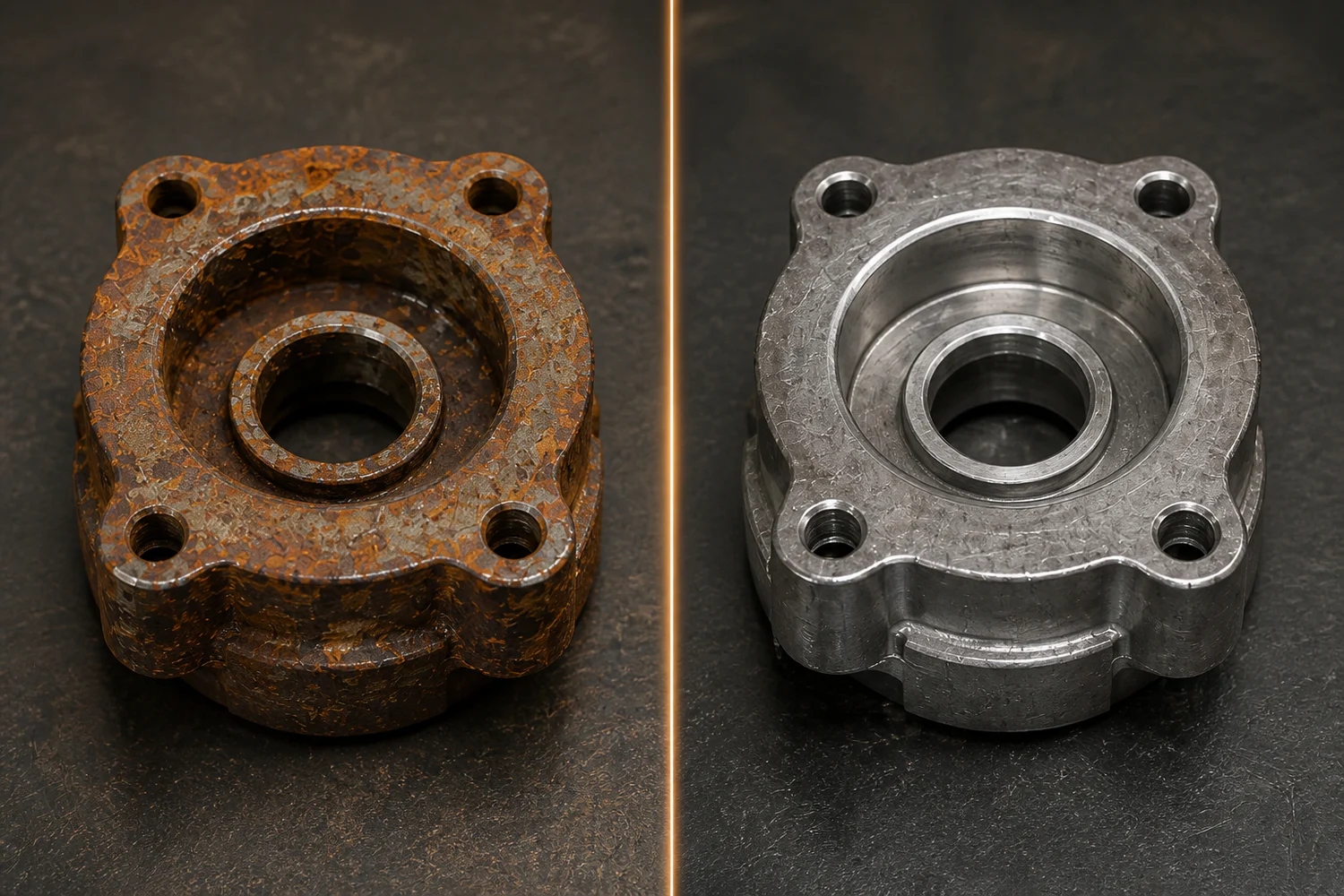
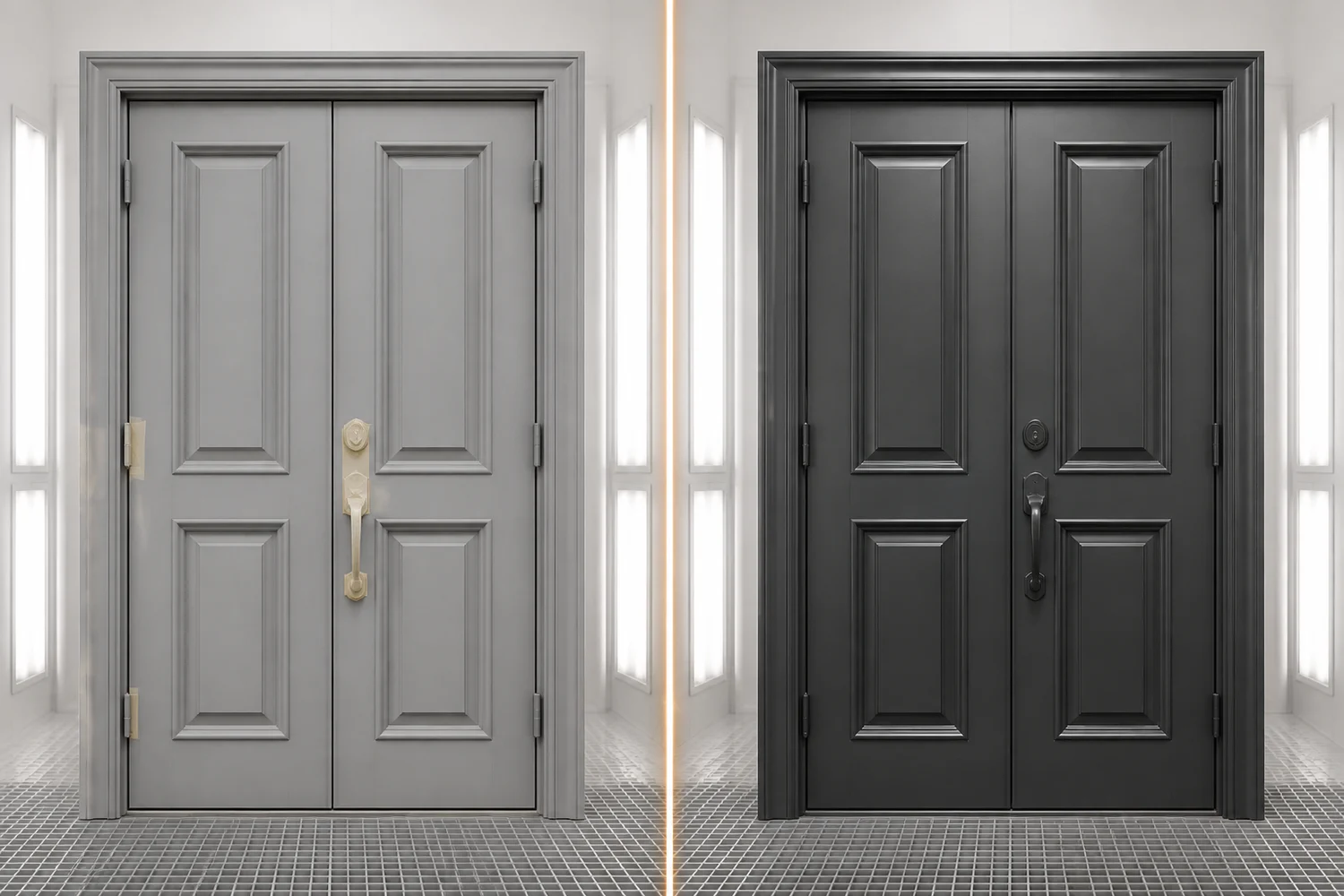
- We remove rust, heavy buildup, and peeling old paint.
- Result
- After dust removal, the metal is ready for primer and paint.
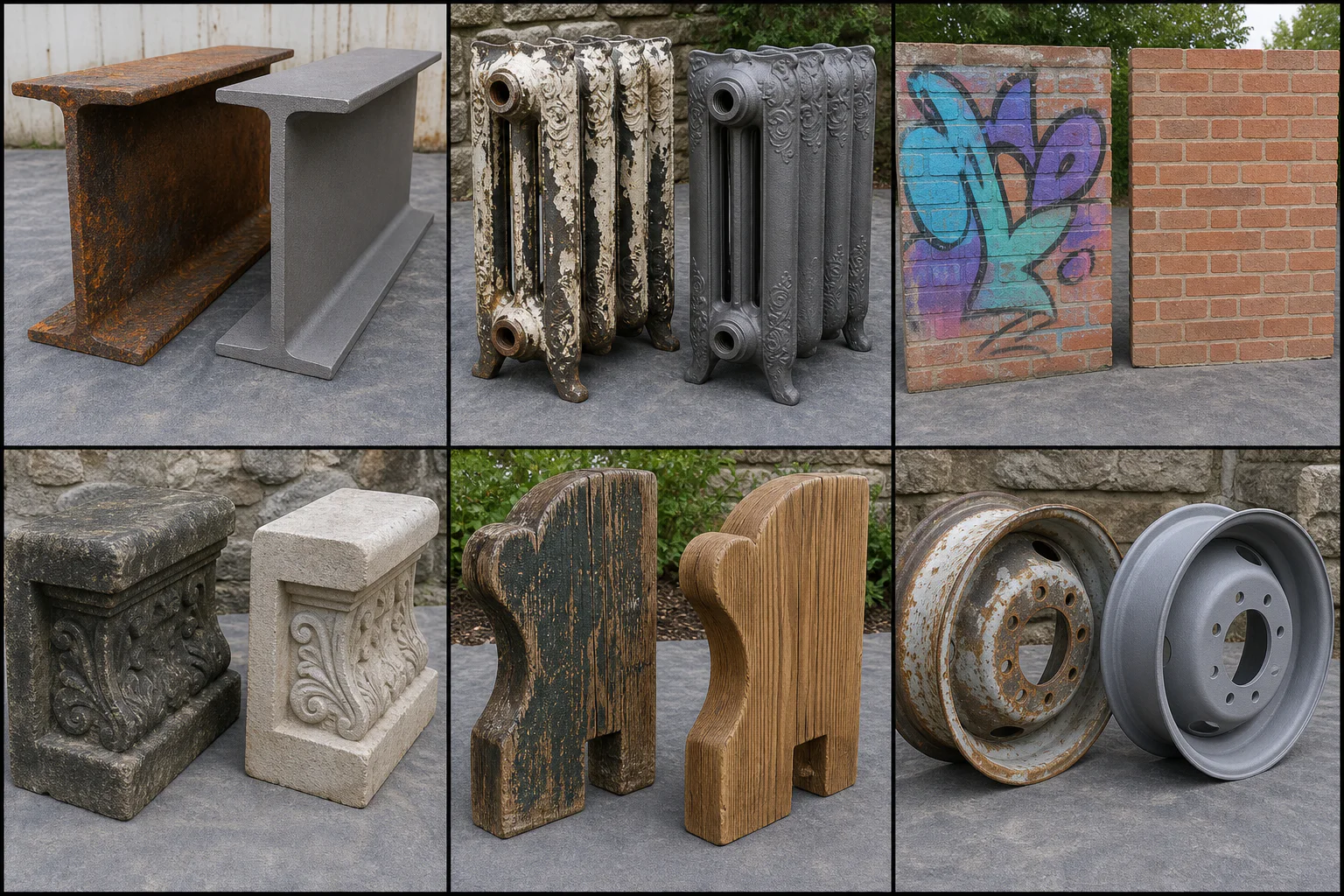
Important: Cleaning cannot restore metal that has already thinned or deteriorated.
Important: Cleaning cannot restore metal that has already thinned or deteriorated.
Important: Delicate details, sharp edges, hinges, and moving parts require a gentler setting and careful protection.
Important: We protect threads, bearings, seals, and connection points. Any required disassembly is discussed separately.
Important: Aggressive blasting can remove the zinc coating or damage aluminum, so we always test first.
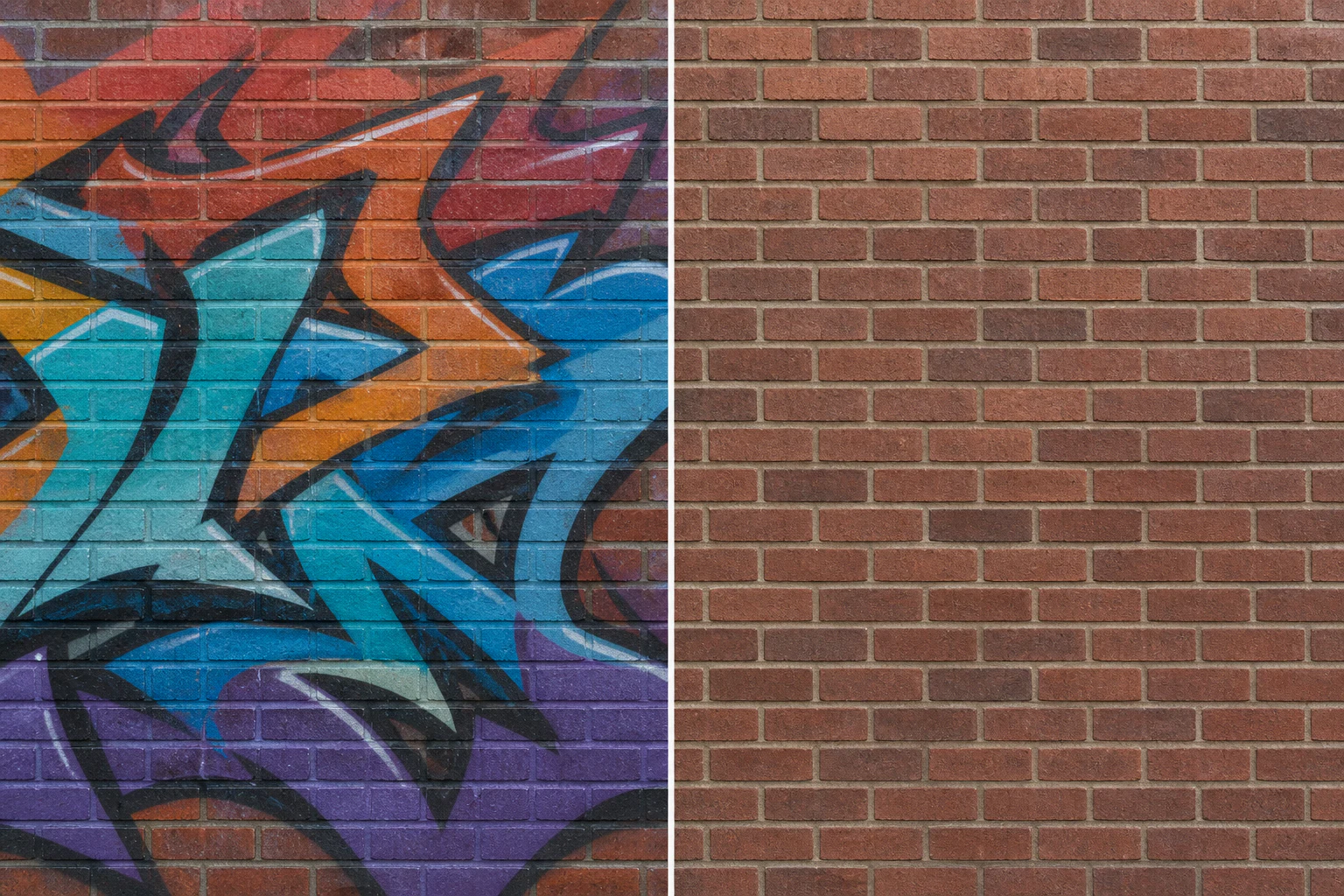
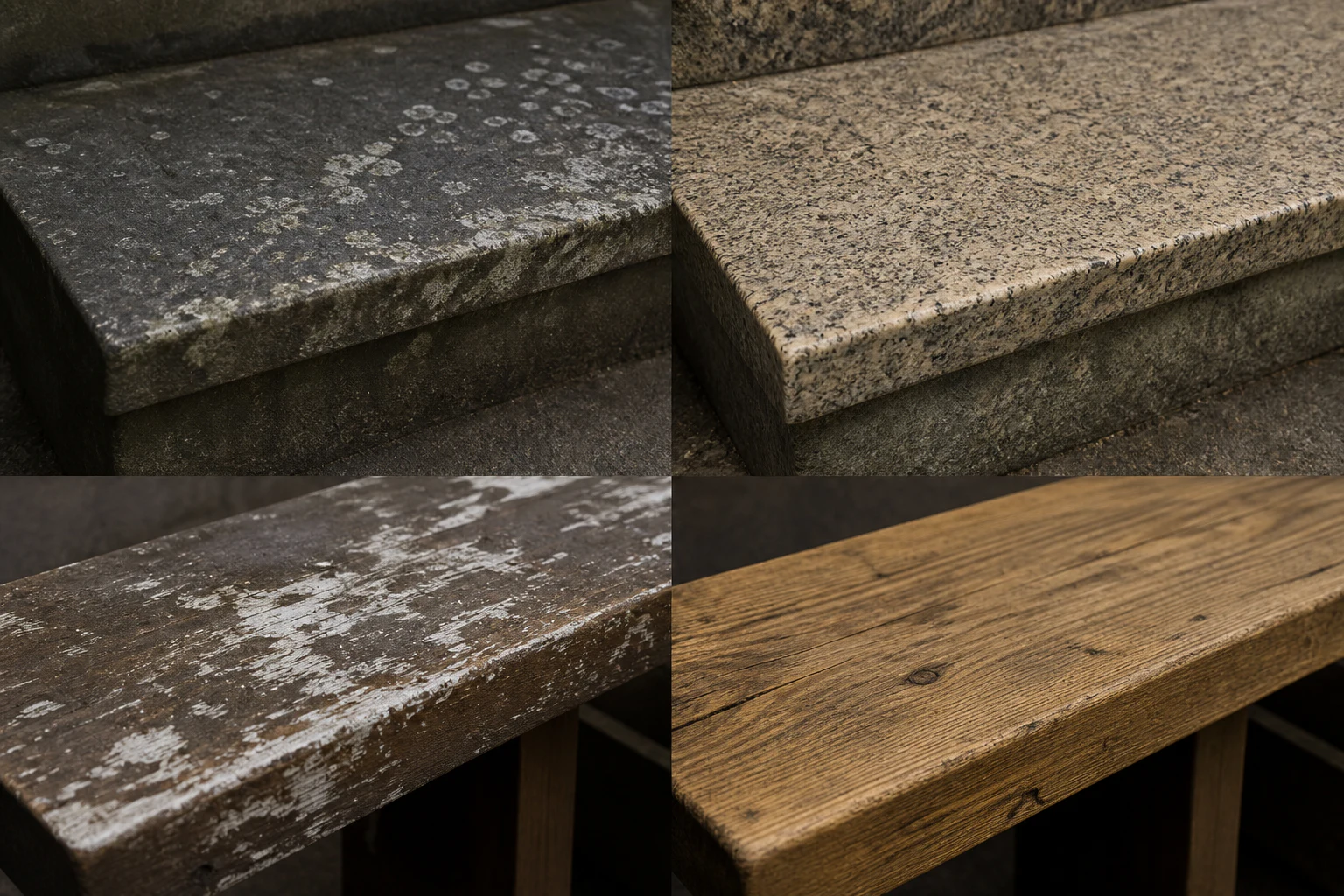
Important: The texture and color may change. We always test old, soft, or historic brick and stone on a small area first.
Important: Blasting can raise the grain and change the wood's texture. We do not blast soft, thin, carved, veneered, antique, or historic wood.
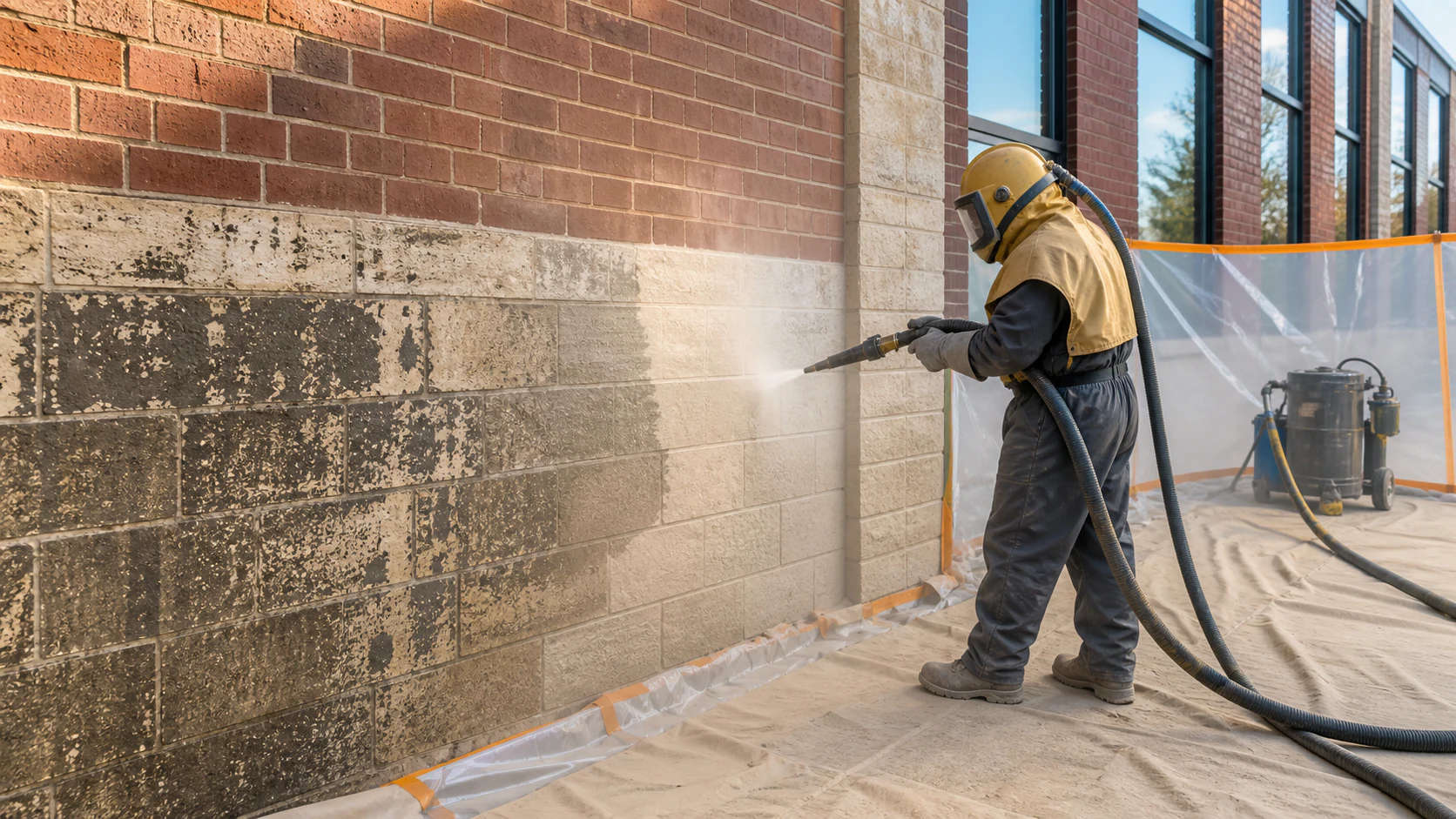
We are a mobile service. We come to your property, secure the work area, and protect nearby floors, walls, and belongings. We test stone and wood first, and protect cleaned steel from new rust.
Sandblasting is well suited for durable parts and large surfaces with heavy rust or multiple layers of paint.
Cleaning leaves the metal slightly rough so primer bonds better.
The abrasive stream reaches corners, welds, and areas that are difficult to access with a brush or sander.
Before work begins, we check the material, the old coating, and any nearby surfaces that need protection.
Thin metal can warp during blasting, so we evaluate it separately.
Abrasive media changes texture and can erase markings or damage sharp edges and fine details.
Glass, rubber, bearings, threads, and precision connections must be removed or fully covered.
Sandblasting is too aggressive for soft wood, veneer, carving, and historic details. We treat durable solid wood only with a gentle setting after testing.
Cleaned steel should be primed or otherwise protected promptly to prevent new rust.
Send us an overall photo, a close-up, and a short description of what you need done.
We check the material, existing finish, damage, and access to the work area.
When needed, we test the chosen method on a small, inconspicuous area.
We explain the work, the expected result, and the price before we begin.
We protect the surrounding area, complete the work, and monitor the surface throughout the process.
We review the finished surface with you and explain how to care for it.
Price depends on more than size. We also consider the material, surface condition, and access to the work area.
View Pricing DetailsSurface area, dimensions, and weight
Material, shape, and hard-to-reach areas
The amount of rust and number of old coating layers
The required level of cleanliness and surface texture
Disassembly and protection of parts that cannot be blasted
Site access and on-site working conditions
Whether primer and paint are also needed
Sandblasting is one type of abrasive blasting. We use more than just sand and select the right media for each material and project.
Sometimes. We first check the metal thickness and test a small area. A strong blast can warp thin sheet metal, so we may recommend a gentler method.
Yes, once the dust and remaining media are removed and the surface is dry. Cleaned steel should be primed as soon as possible to prevent new rust.
Sometimes. Durable solid wood can be cleaned carefully with a gentle setting after a test. We do not blast thin, soft, carved, veneered, antique, or historic wood; those items require restoration methods.